Key Points
Click on the links below to go to that section.
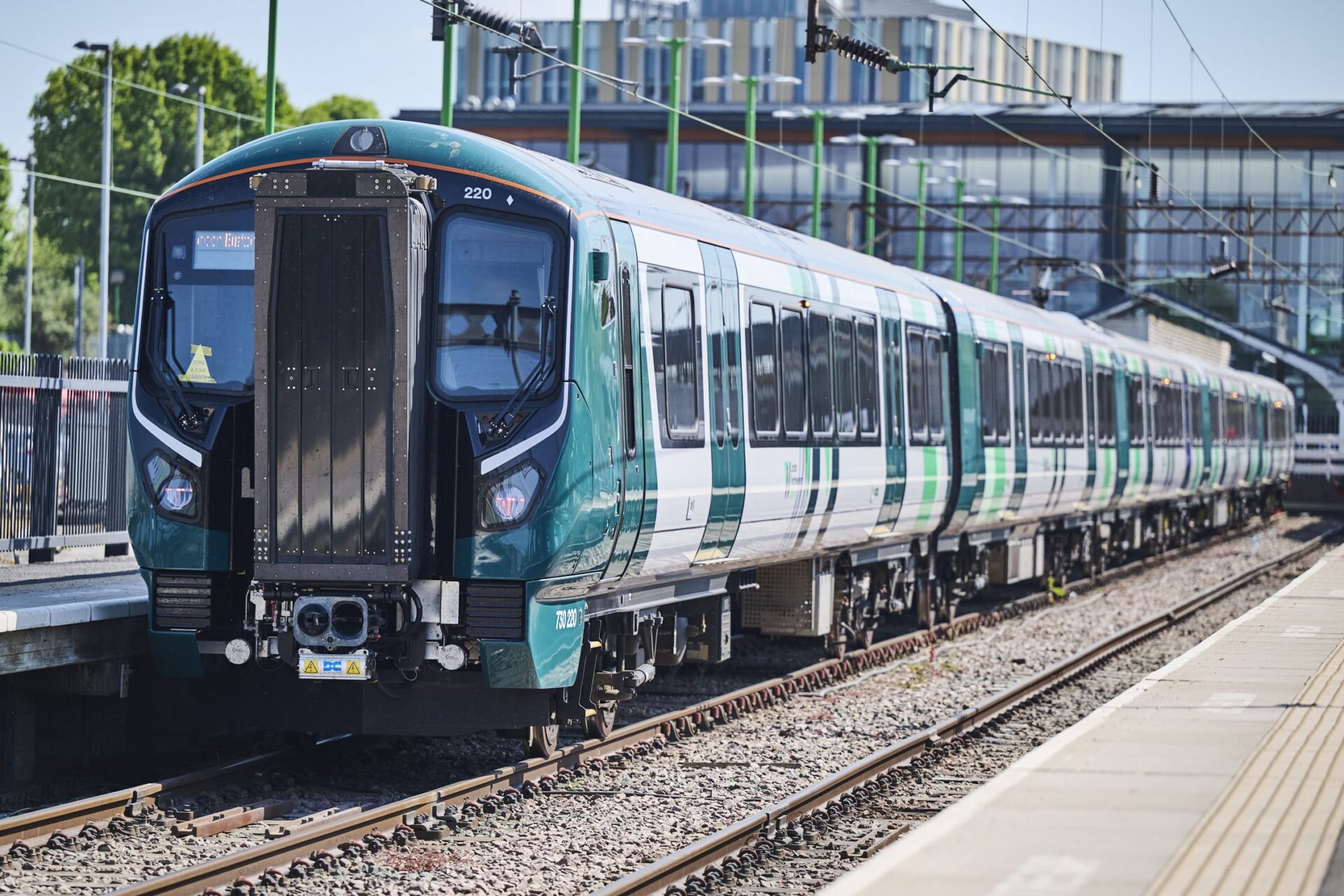
Millions of Govia Thameslink Railway passengers in the south-east benefited from the biggest train upgrade in the UK – the £100m Project Aurora.
The award-winning works to the operator’s entire Electrostar fleet were funded by Porterbrook, which owns the trains, and completed in partnership with GTR and Alstom.
Project Aurora was named the Fleet Achievement of the Year at the National Rail Awards, and became one of the largest fleet upgrades, with 304 vehicles, consisting of 1,222 carriages, completed in time for the industry’s 200th anniversary.
At its peak, two Electrostars were fully upgraded and returned into passenger service each week. All 304 trains required:
of wiring
LED lighting tubes
power sockets (each with two USB sockets)
fixings and fastenings
Innovation and the Future of Rail
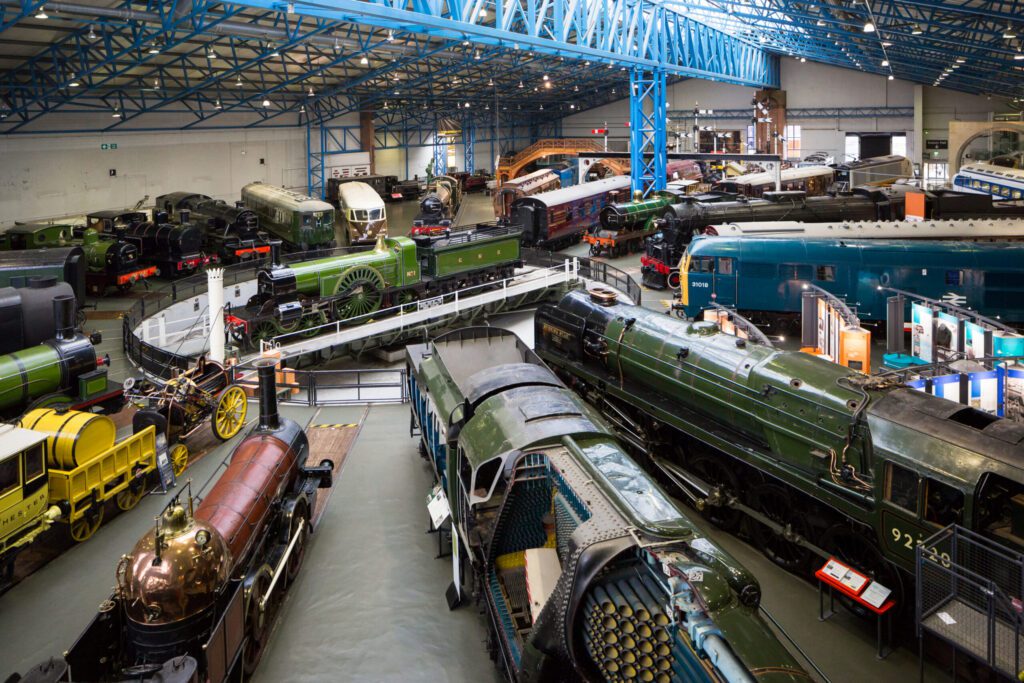
Exploring how railways are shaping society, technology and the environment, Railway Futures reflects the museum’s growing commitment to telling the story of rail’s past, present and future. With a particular focus on 15- to 25-year-olds, the gallery will encourage creativity and critical thinking, inviting young people to consider their hopes for the future and how the railways might help to realise them.
The items, which represent cutting-edge innovation within the sector, have been sourced from a variety of donors, including start-ups, multinational rail companies, public and private sector organisations, academic institutions – and even space agencies. Through these objects, interactive exhibits, case studies, and first-hand stories from rail professionals and communities, visitors will be encouraged to reflect on what matters most to them – and how innovation could support a better railway.
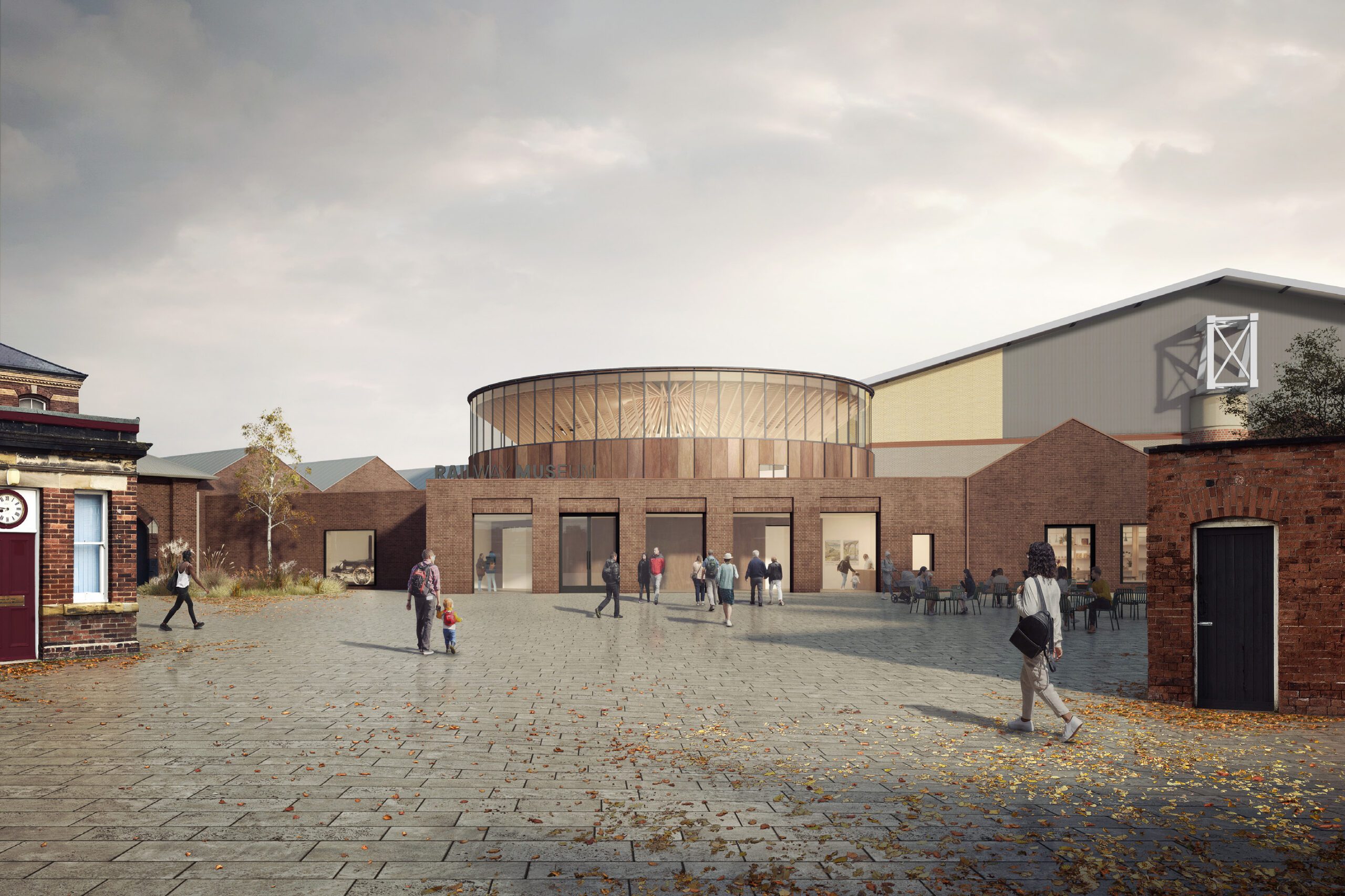

We’re incredibly grateful to Porterbrook for their generous support, which has made this ambitious, future-focused gallery possible. Our partnership reflects a shared commitment to innovation, sustainability and inspiring the next generation to consider a career in the industry. It’s a powerful example of what can be achieved when the heritage and industry sectors come together with a common purpose.