Key Points
Click on the links below to go to that section.
Safer switches and crossings with class 153 visual inspection units
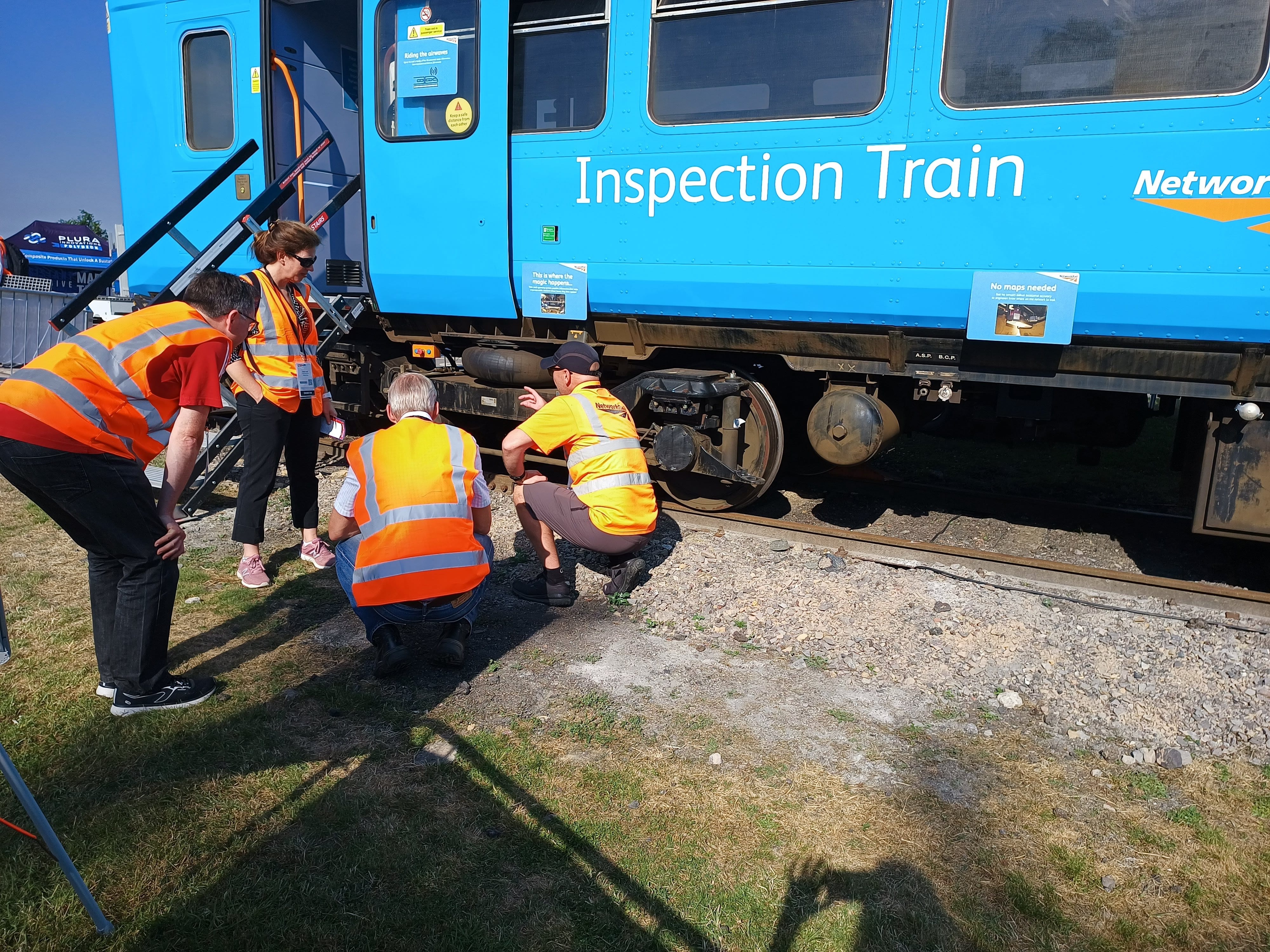
A transformational switches and crossing train-borne monitoring service, developed between Network Rail and Porterbrook, is supporting a new path for safe inspection of assets, taking track workers off the manufacturing line and into a place of safety.
Innovation and the Future of Rail
The challenge
Switches and crossings are the highest risk asset in track engineering, with standards requiring them to be inspected up to weekly in some places.
This has typically been done either during the day – disrupting the passenger and freight services – or done manually by a track engineer who walks along the track at night during a possession and looks at the asset using just a torch.
A new reality
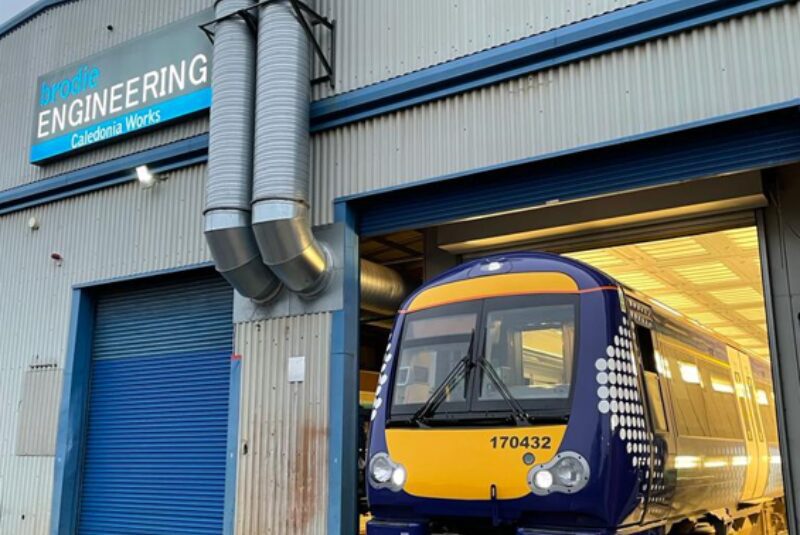
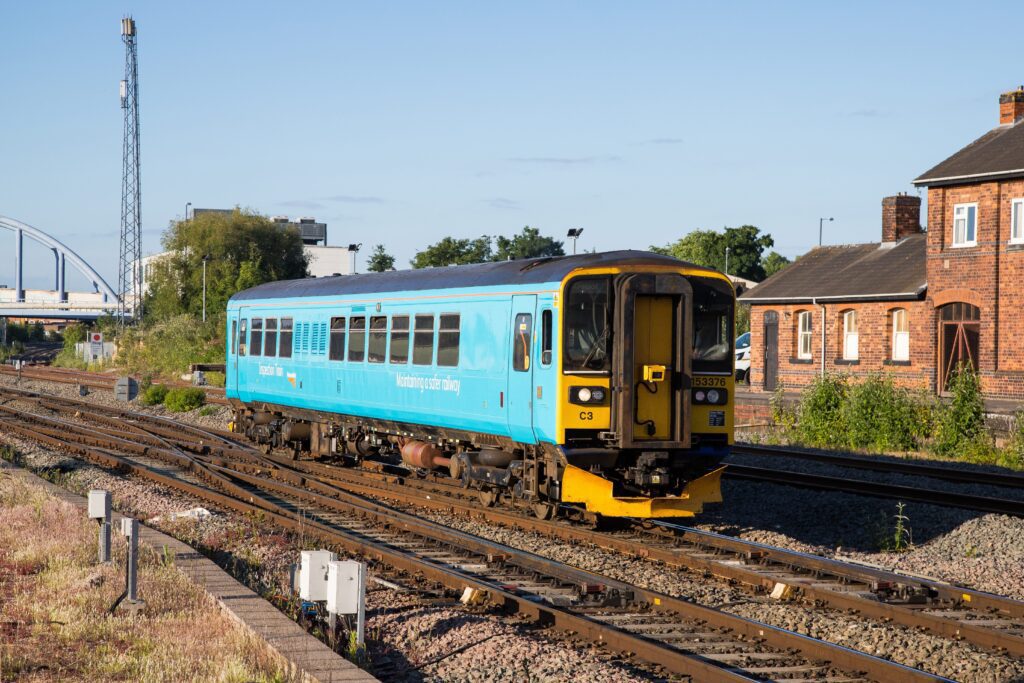
Led by Network Rail and Porterbrook, a solution to this took shape in 2021, with ex-passenger Class 153 trains kitted out with high-grade video and basic geometry measurement equipment. These have then been deployed onto the rail network as a dedicated switches and crossings monitoring service.
These autonomous visual inspection units require driver only operation and use myriad cameras and thermal imaging to record high quality data about the conditions of switches and crossings.
The track visuals captured are to such a quality that you can see down to an individual bolt and are sent direct to engineers within as little as 20 minutes after recording. Engineers can review the data from a desktop computer, in the safety of an office – from there making informed decisions about what interventions need to happen and in what priority, to keep the railway running safely.
The items, which represent cutting-edge innovation within the sector, have been sourced from a variety of donors, including start-ups, multinational rail companies, public and private sector organisations, academic institutions – and even space agencies. Through these objects, interactive exhibits, case studies, and first-hand stories from rail professionals and communities, visitors will be encouraged to reflect on what matters most to them – and how innovation could support a better railway.
Industry collaboration
The service went from idea to a ready to trial train in just six months. Behind this was a cross-industry team who demonstrated tremendous collaboration throughout the project, drawing on the expertise of each member.
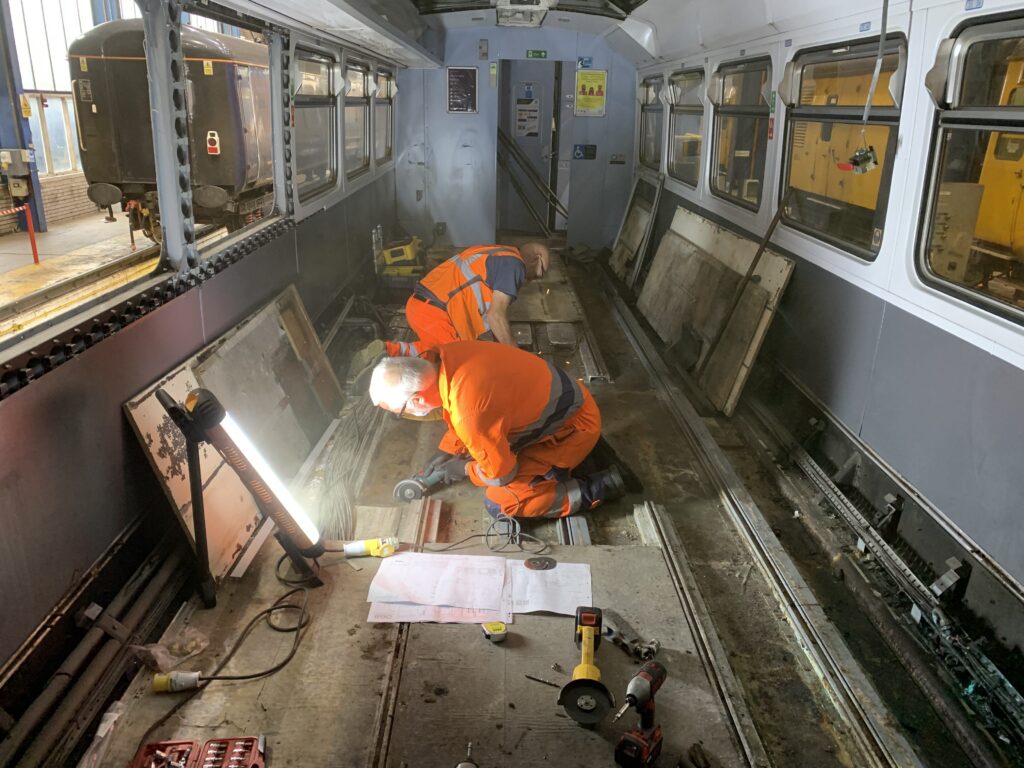
Led by Porterbrook and Network Rail, DG8 Design and Engineering transformed the units from passenger trains into inspection vehicles, with video and geometry technology added by Nomad, One Big Circle and Vista.
The positioning system to pinpoint where faults would need investigation came from Machines with Vision using their RailLoc technology which provides locational accuracy down to 30mm.
A second life for ex-passenger vehicles
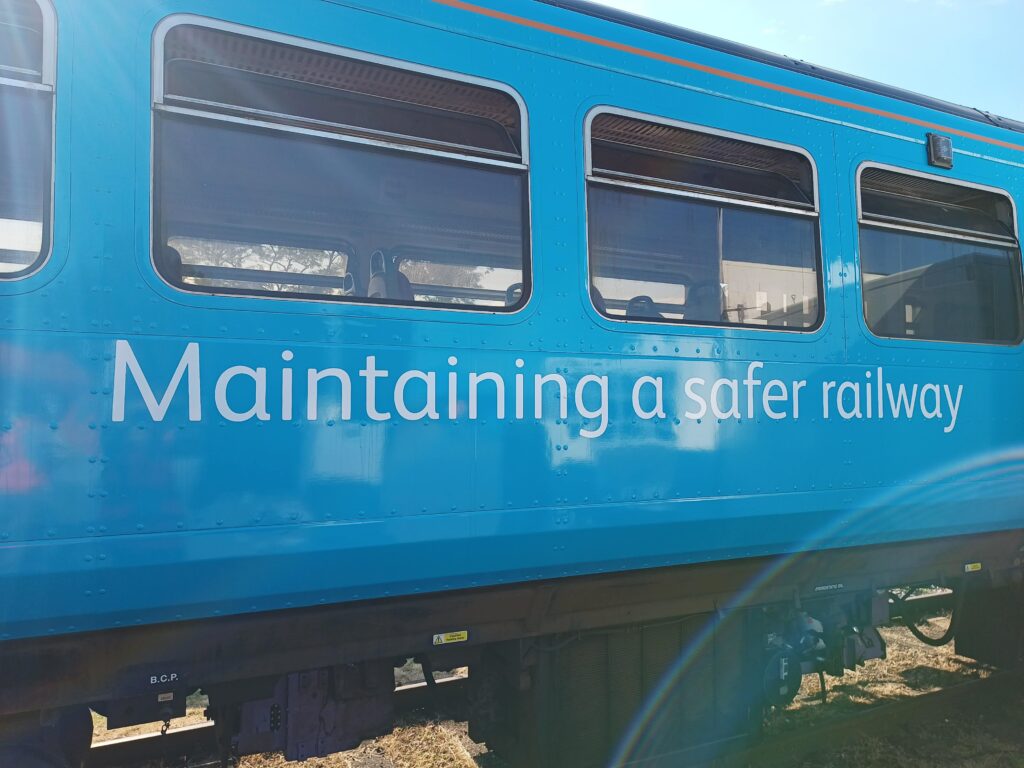
A valued element of this solution has been the recommissioning of ex-passenger vehicles back into service.
While no longer serving passengers, these Class 153s now have a new life on the network helping to support safer working conditions.
More than just eyes on the ground
Although the original service purpose is to digitally replicate what the human eye would see when carrying out a basic visual inspection, the safety opportunity is significantly more than reducing boots on ballast.
Having a more holistic view of switches and crossings lets engineers move to a predict and prevent maintenance regime, rather than continue with one that can only be reactive.
That reduces time pressure and worker stress, giving space for collaborative, informed and efficient decision making.
Award winning project
The Visual Inspection Units won the Safety Achievement of the Year Award at the National Rail Awards in 2023.