Key Points
Click on the links below to go to that section.
A first of a kind pathfinder to cleaner, greener rail travel
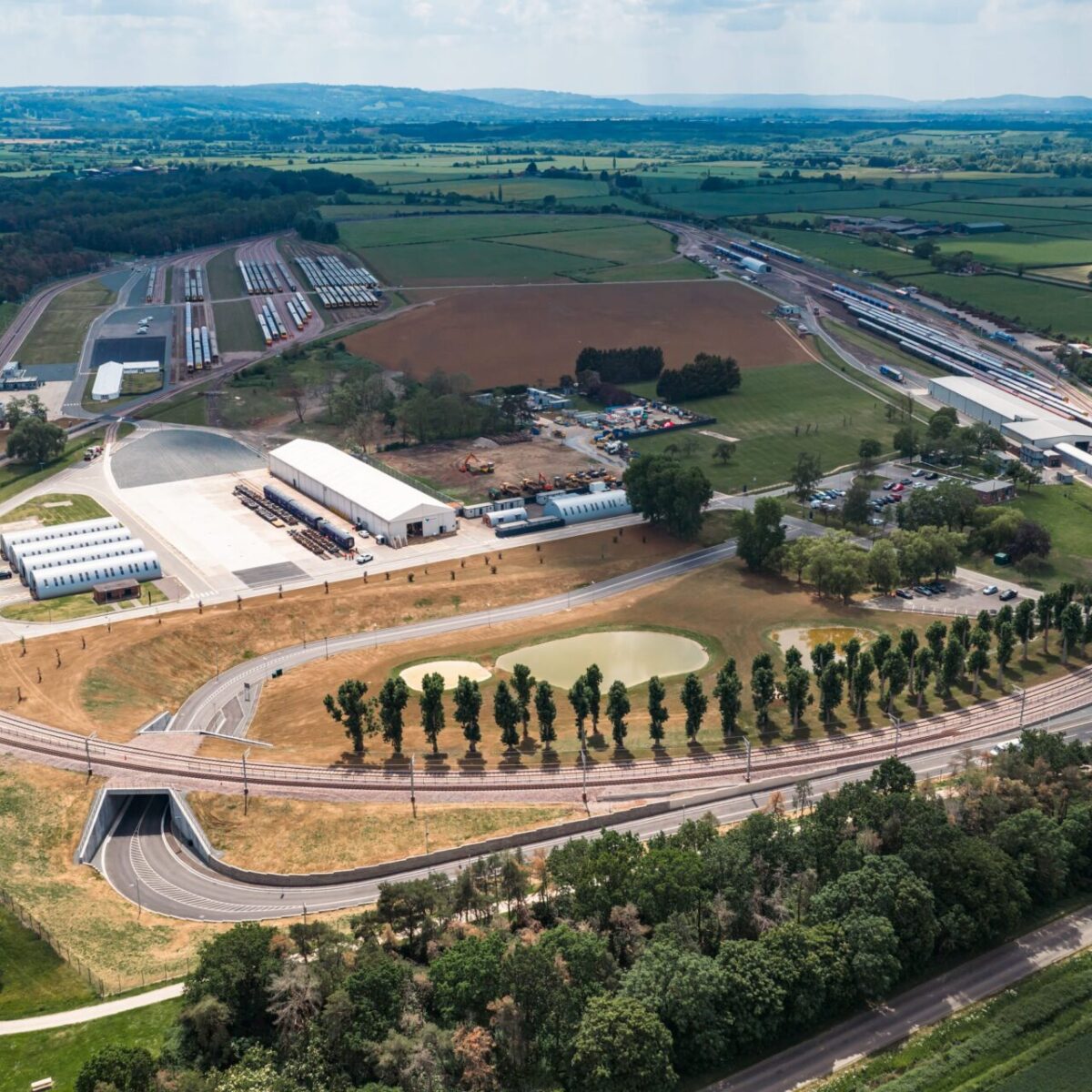
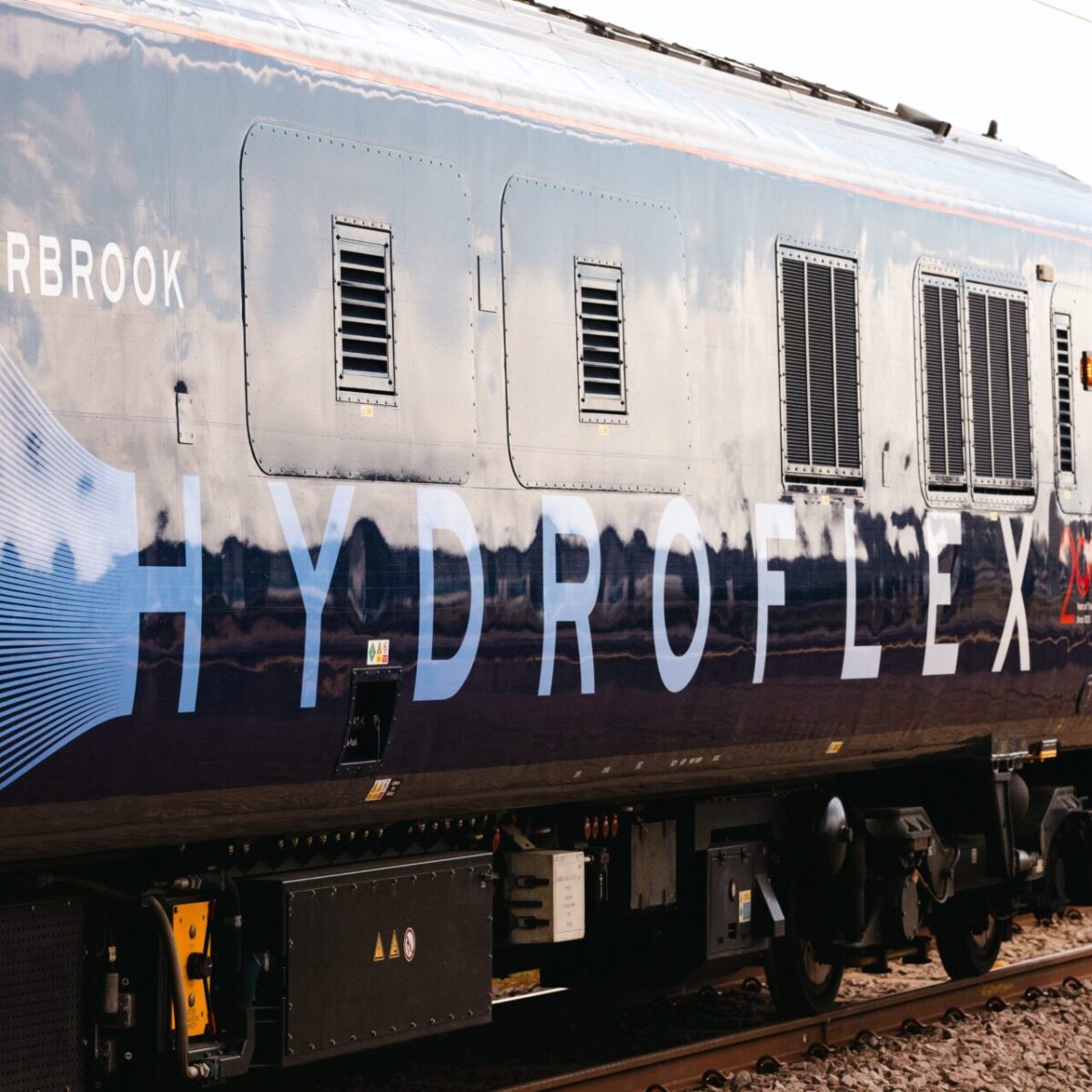
HydroFLEX is the UK’s first and only heavy-rail hydrogen-ready passenger train; designed, built and tested by Porterbrook’s talented engineers at the Long Marston Rail Innovation Centre.
The company has invested over £14 million in the project, with over 30 UK businesses and 250 people contributing to its development.
The one-of-a-kind train has undergone extensive mainline testing, reaching speeds of 90mph and travelling up Lickey Hill, the steepest mainline incline in the UK. The vehicle also became the first UK train to safely travel through a tunnel on hydrogen power.
The project began in 2018 with a Class 319 train converted to run on hydrogen and battery power. The original HydroFLEX train was developed in partnership with the University of Birmingham, with grant funding from Innovate UK – a branch of the UK government.
Development on the successor to the original HydroFLEX train began in 2020, creating a passenger-ready hydrogen train that had four times the power of the first HydroFLEX, three times the battery capacity and a potential range of over 300 miles.
Up to 277kg of hydrogen fuel is safely contained aboard HydroFLEX in 36 high pressure tanks. This is fed into fuel cells, where a chemical process converts the hydrogen and oxygen from the air to generate clean electricity.
HydroFLEX was showcased to the world at the COP26 Climate Summit in Glasgow in 2021, and appeared at several high profile Railway200 celebrations in 2025, including The Greatest Gathering in Derby, and Rail Live. High profile visitors to the train included HRH The Prince of Wales (now King Charles III) and the Prime Minister of the United Kingdom.
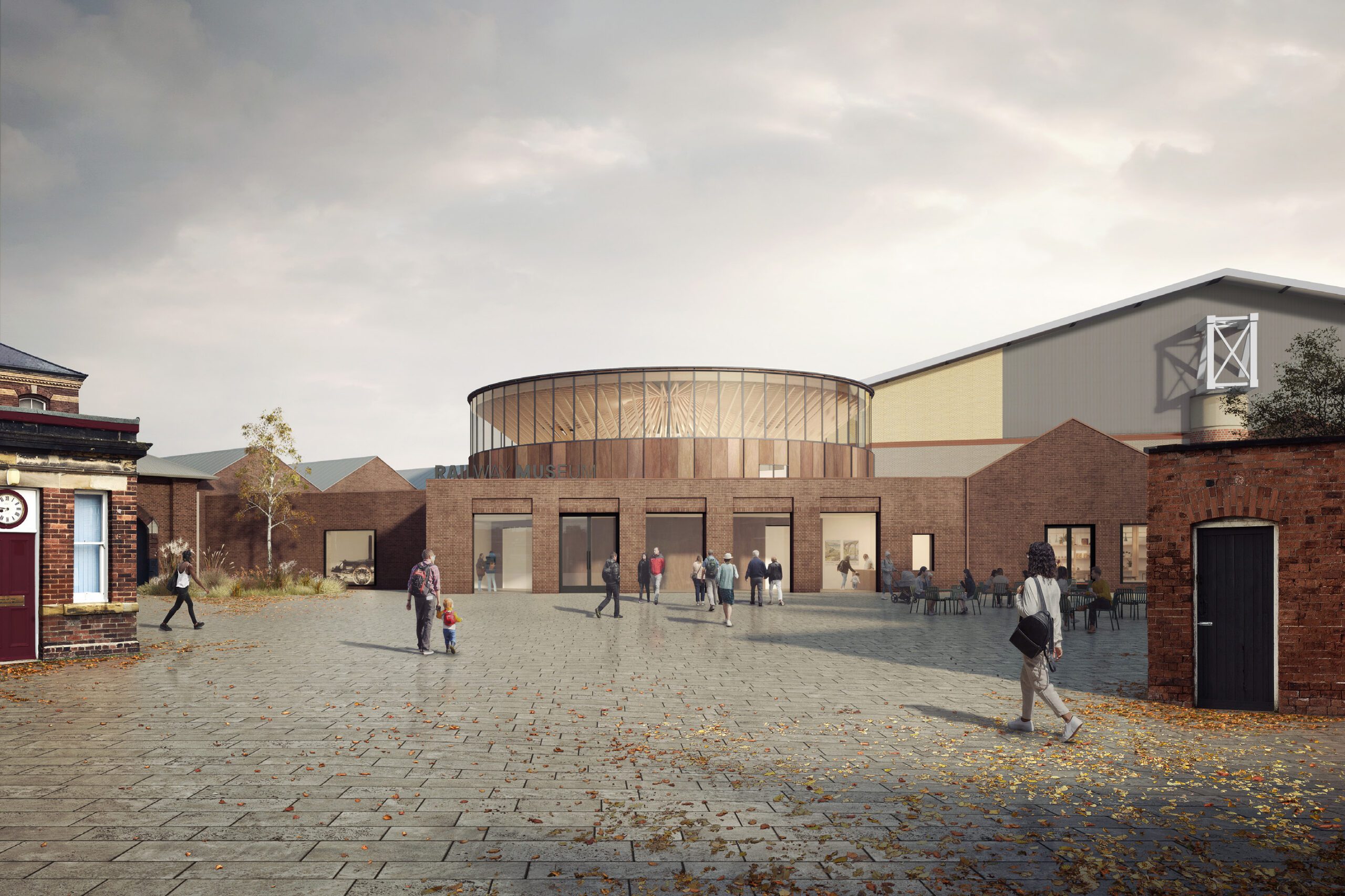

We’re incredibly grateful to Porterbrook for their generous support, which has made this ambitious, future-focused gallery possible. Our partnership reflects a shared commitment to innovation, sustainability and inspiring the next generation to consider a career in the industry. It’s a powerful example of what can be achieved when the heritage and industry sectors come together with a common purpose.